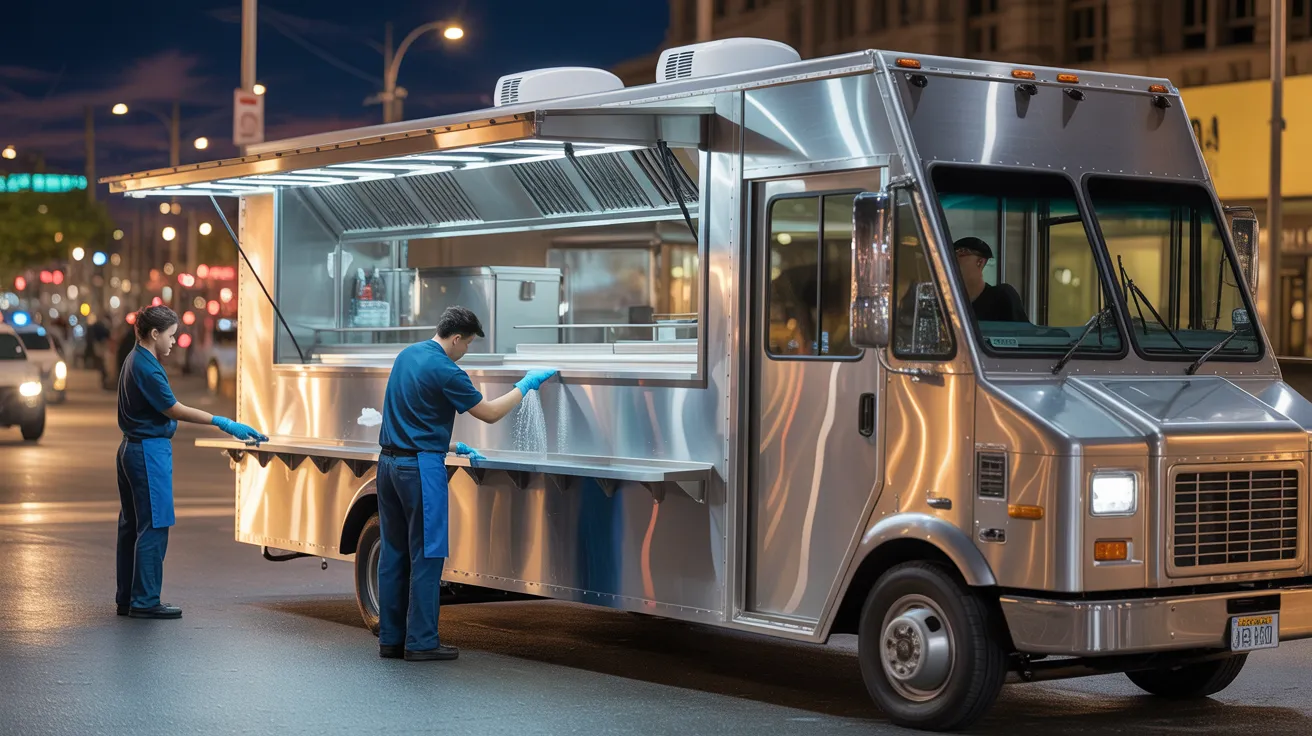
Commercial hygiene experts located in Brampton ensure restaurants, food distribution facilities, baking enterprises, warehouses, and mobile food units in compliance. They disinfect high-touch surfaces, food-contact areas, equipment, floors, drains, restrooms, and food handling areas with certified chemicals, at proper strength, and using documented contact periods.
Key Takeaways
- Brampton's food safety cleaning professionals support restaurants, grocery departments, commissaries, warehouses, bakeries, schools, mobile vendors, and allergen-sensitive operations.
- Area-specific procedures treat high-touch surfaces, food-contact equipment, kitchens, floors, drains, restrooms, and storage areas for reducing cross-contamination.
- Proper chemical concentration, compatibility, and contact time are verified by qualified vendors, with completion recorded via samples, reviews, and remedial documentation.
- Sound sanitation calendars consider danger, production rate, format changes, releases, and regulations when designating everyday, weekly, and cyclical activities by zone.
- Pick contractors with HACCP, public-health, expertise, WHMIS, training, protection, references, coded equipment, and inspection-ready sanitation records.
What Brampton Establishments Require Food Safety Cleaning?
Food safety cleaning is mandatory for any Brampton facility that manages, stores, prepares, packages, or distributes food. Apply it to your operation if it comes under health inspections, food codes, or HACCP requirements. This includes restaurants, cafeterias, commissaries, grocery food departments, butcher shops, seafood counters, convenience stores, and institutional kitchens.
Proper sanitation protocols is furthermore required in warehouses, food manufacturing plants, cold storage sites, retail bakeries, school nutrition programs, banquet halls, and meal delivery hubs. Mobile and temporary operations count as well, examples including catering trucks, festival vendors, and pop-up food booths. Your venue must have recorded sanitation procedures when your staff work with ingredients, section finished dishes, heat items, or keep allergens organized. In Brampton, food safety continues to be not optional; it constitutes regulatory, business, and safety requirements.
What Do Brampton Cleaning Professionals Handle?
You need skilled cleaning experts who disinfect high-touch surfaces, kitchen spaces, flooring, and restroom facilities to ensure compliance with food safety and health standards. These areas are targeted due to their high cross-contamination potential, falling hazards, and health code violations.
By knowing exactly what gets cleaned, you are able to confirm your operation's sanitation protocols satisfy all operational and regulatory requirements.
High-Touch Surface Sanitizing
organize cleaning frequency according to activity levels, infection risk, and how the space is used.
verify proper sanitization
Cooking Zones, Walking Surfaces, and Restroom Environments
Expect Brampton cleaning experts to focus on kitchens, floors, and restrooms because each area carries unique food safety, slip-and-fall, and public health risks. In industrial kitchens, you need grease removal from cooking stations, appliance surfaces, drain systems, preparation areas, and backsplashes to reduce bacterial growth and pest activity.
Floor care that is recorded should equally be anticipated. Technicians clean and remove buildup from tile grout, ceramic surfaces, and vinyl floors, then apply correct drying techniques so you can reduce slip incidents and maintain code-compliant conditions. They also address entry points where dampness and dirt enter the building.
For restroom sanitation, cleaners disinfect high-touch surfaces, bathroom fixtures, stall dividers, supply dispensers, and trash receptacles, then replenish amenities and manage odor. They also maintain restaurant cleaning supply rooms where product storage, sink cleanliness, and drain systems impact daily sanitation standards and worker protection.
The Importance of Food Safety Cleaning in Brampton
To adhere to regulatory mandates and succeed in audits, Brampton facilities visit now must follow appropriate cleaning protocols. You also minimize cross-contamination by cleaning and sanitizing food-contact surfaces, equipment, and high-touch areas correctly. Most importantly, you safeguard community wellness by reducing the chance of food poisoning in your establishment.
Sanitary Standards Adherence
Food companies in Brampton face rigorous sanitary regulations, making food safety cleaning crucial to adhering to health code requirements, safeguarding patrons, and eliminating enforcement action. You must maintain clean food preparation areas, verifiable cleaning logs, correct sanitizer application, and documented employee protocols that comply with municipal and provincial inspection expectations.
Detailed cleaning files enable you to demonstrate due diligence during inspection audits and show your procedures remain reliable, repeatable, and overseen. Strong cleaning protocols also facilitates cross-contamination prevention by limiting residue on shared equipment and commonly contacted zones.
Cross-Contamination Avoidance
Maintaining health code standards copyrights on your capacity to prevent cross-contamination during everyday food preparation and sanitation. You must separate raw ingredients from ready-to-eat foods, sterilize work zones between assignments, and position cleaning agents away from food surfaces. Clear procedures reduce transfer risks and reinforce steady regulatory adherence.
You should implement allergen segregation to keep priority allergens from contacting common work areas, storage bins, or tools. Employ separate boards, labeled implements, and strict utensil labeling so staff don't mix items during preparation or service. Require handwashing after handling uncooked proteins, shellfish, egg items, or allergen products. Replace wiping cloths regularly, and verify sanitizer strength with test strips. When you train staff to follow these controls each work period, you build a more hygienic, secure workplace that satisfies Brampton's safety standards consistently.
Public Health Assurance
Should cleaning standards collapse, you don't simply encounter inspection problems—you increase the potential of foodborne illness impacting customers, staff, and the wider Brampton population. You also weaken your role in safeguarding community wellness, especially in high-traffic food premises where pathogens travel quickly through surfaces, equipment, and touchpoints.
You need sanitation procedures that eliminate contaminants, sanitize correctly, and confirm effectiveness. That requires adhering to contact times, employing authorized sanitizers, documenting schedules, and educating employees to meet regulatory standards. These controls support pathogen reduction by lowering microbial loads before they reach food or hands. In Brampton, strong sanitation protects vulnerable populations, limits outbreak potential, and helps you demonstrate due diligence. When you maintain proper standards, you exceed basic requirements—you substantially decrease danger and support safer food service throughout the region.
In What Ways Does Cleaning Help Achieve Food Safety Compliance?
Maintaining thorough cleaning protocols promotes food safety compliance by lowering contamination exposure, limiting pathogen development, and keeping your facility compliant with sanitation requirements under HACCP-based programs and public health regulations. You validate that product-contact areas appear visibly clean and microbiologically controlled, facilitating documented preventive controls and inspection readiness.
Cleaning initiatives additionally bolster allergen prevention by clearing residues that can provoke undeclared allergen exposure.
When Should You Schedule Commercial Cleaning?
spill incidents, and post-maintenance work
Establish weekly or every month maintenance on drains, ventilation systems, storage racks, and hard-to-reach areas, guided by inspection findings and sanitation records. Dedicate seasonal deep cleaning to cover shutdowns, weather-related soil buildup, or pest-pressure periods
How Do You Choose Brampton Cleaning Experts?
Screen providers initially by their food-safe sanitation requirements—not budget alone. You need to confirm that every company meets CFIA, public health, and HACCP standards for your operation. Demand insurance verification, WHMIS compliance, training records, and management systems. Evaluate technician knowledge of cross-contamination risks, chemical safety, and documented sanitation practices.
You should further examine service consistency and answerability. Request testimonials from Brampton food businesses, then review reply speed, corrective-action procedures, and communication protocols. Validate the company facilitates supplier audits and can supply compliance documentation to regulators or third parties. Confirm equipment is maintained, colour-coded tools are applied correctly, and facility-specific risks are identified. A qualified provider ensures regulatory compliance, product quality, and your brand reputation.
What details should a Food Safety Cleaning Plan include?
Create a documented strategy that defines every sanitation duty, guideline, and expectation prior to beginning production. You should document cleaning frequencies, approved chemicals, dilution rates, contact times, tools, and verification methods for each area, section, and machine. Don't forget to add pre-operational inspections, corrective actions, and employee training requirements.
Your plan should also include cross-contamination controls, waste handling, pest-prevention measures, and documented schedules for bathrooms, drainage, ground surfaces, and food-handling zones. Clarify how you'll separate raw and ready-to-eat processes, help with ingredient tracking, and maintain accurate allergen labeling through validated cleaning between product changes. You should establish accountability, preserve signed records, and review results against regulatory standards, HACCP controls, and customer requirements. When gaps appear, revise procedures immediately and re-educate staff.
Popular Asked Inquiries
Do sanitation providers work during nighttime hours at Brampton properties?
If you run controlled spaces, you'll also need records that support inspections and ensure compliance.
Can Brampton cleaning experts handle hazardous incidents?
Yes, you can discover many Brampton cleaning professionals providing spill response services. They manage contamination, evaluate risks, isolate contamination, and begin swift decontamination to reduce risk and avoid operational impact. You should confirm timeframes, credentials, safety protocols, and disposal methods. If your facility must meet compliance standards, pick a provider that documents events, adheres to standards, and supports verification.
Will environmentally safe disinfectants disinfect safely food-handling equipment?
In essence, green disinfectants are safe for surfaces contacting food provided you choose solutions certified for food use that comply with compliance requirements. Validate contact times, concentration levels, and rinse procedures in advance of use. Plant based formulas minimize harsh chemical exposure, although you must have proof of efficacy against harmful bacteria. To preserve residue free surfaces, stick to precise manufacturer instructions and confirm the disinfectant meets food sanitation requirements.
Can cleaning plans be customized for seasonal production changes?
Yes, you can tailor cleaning plans for seasonal shifts. You should revise timing, staff levels, disinfectants, and confirmation procedures to align with production rhythms while preserving regulatory requirements. You'll decrease operational delays by organizing cleaning around equipment transitions, maximum output, and usage cycles. You should additionally revise procedural documents, staff education, and facility monitoring to reflect periodic risks, additional allergens, or elevated soil levels. Regular reviews keep your plan efficient.
Do professional cleaners instruct staff members in proper hygiene techniques?
Absolutely, professional cleaning companies frequently provide employee education on hygiene standards. Your team gets training on proper chemical use, dwell times, cross-contamination prevention, machine takedown, and documentation. They generally match guidance with HACCP, GMP, and CFIA or local public health standards. Many conduct health inspections to verify compliance, pinpoint weaknesses, and strengthen corrective measures. This enables you to sustain uniform standards, pass inspections, and lower contamination dangers consistently.
Final Thoughts
Through working with Brampton commercial cleaning and food safety experts, you accomplish much beyond organizing—you keep your operation prepared for audits and your standards meet requirements. From kitchen spaces to processing areas, all clean areas and organized zones reduce contamination risks and prevent significant costs. Through booking service at proper intervals and adhering to a comprehensive cleaning program, you ensure protection for employees, your patrons, and your standing. Within strict regulatory frameworks, proper sanitation cannot be considered optional—they are fundamental to success.